非物质文化遗产 · 民俗 · 手艺 · 节庆 · 乡音Intangible Heritage · Folk Customs · Crafts · Festivals · Local Sounds
从一场龙船探亲、一段舞狮采青,到一个节气、一间老祠堂、一门口手相传的手艺——我们用影像与文字,把这些散落在日常里的非物质文化遗产与民俗印记记录下来,让它们被看见、被检索、被记住。From a dragon-boat village visit and a lion-dance performance, to a solar term, an old ancestral hall, or a craft passed hand to hand — we use images and words to record the intangible heritage and folk customs scattered through daily life, so they can be seen, searched and remembered.
拾遗手记(英文名 supwai Shouji)是一个面向普通人的非物质文化遗产记录平台。我们把镜头交给生活在当地的人:龙舟鼓手、醒狮学徒、绣娘、戏班乐师、祠堂看护人,以及每一个在节庆当天举起手机的人。supwai Shouji (literally "picking up what's forgotten") is an intangible cultural heritage (ICH) recording platform for ordinary people. We hand the lens to those who live it — dragon-boat drummers, lion-dance apprentices, embroiderers, opera musicians, hall keepers, and everyone who raises a phone at a festival.
平台以微信小程序为主要入口,支持图片、视频、图集与文字记录,可以按自建主题归档、标注拍摄地点、彼此点赞与评论。所有内容围绕「非遗 + 民俗」展开,让本地知识沉淀为可检索、可引用的公开资料。The platform's main entry is a WeChat Mini Program. It supports photos, videos, albums and text, lets you file records under self-built themes, tag locations, and like or comment. Everything revolves around "ICH + folk custom", turning local knowledge into searchable, citable public material.
配套小程序:我的拾遗手记 · 微信搜索即可进入Same-name Mini Program: supwai Shouji · search on WeChat to enter
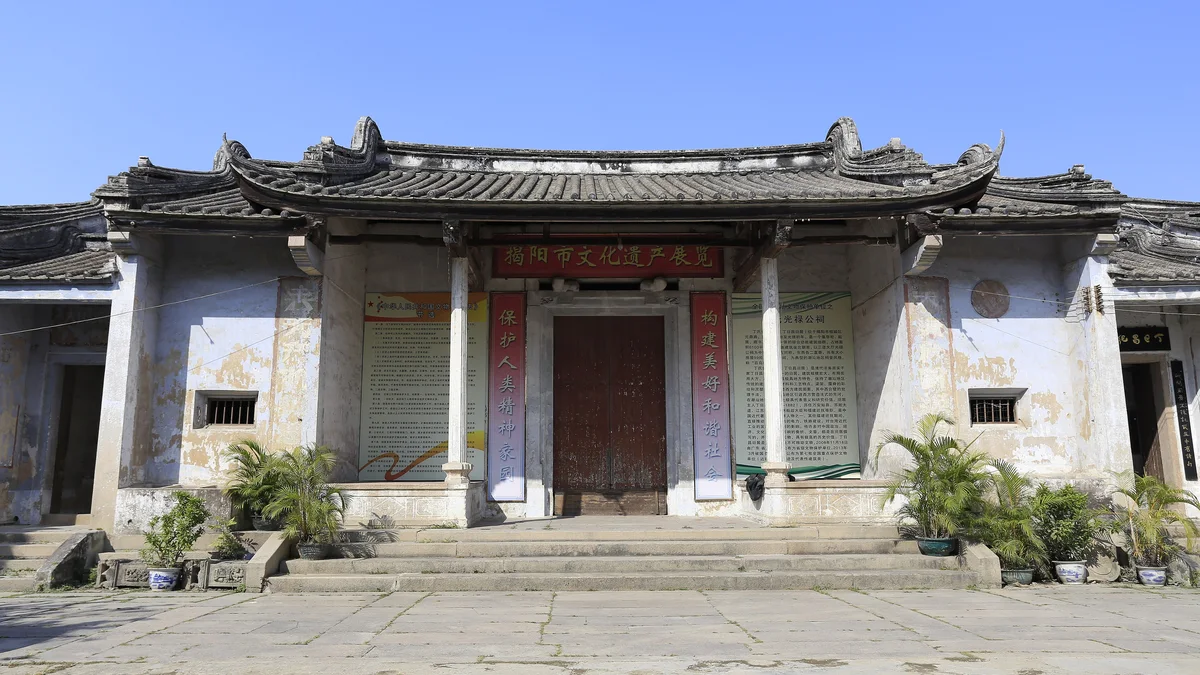
点击任意主题,查看它包含的内容范围、拍摄要点与代表场景。六个主题对应国家级非遗十大类别中的传统舞蹈、传统技艺、传统戏剧与民俗等门类。Click any theme to see its scope, shooting tips and representative scenes. The six themes map to national ICH categories such as traditional dance, craftsmanship, opera and folk custom.
配图说明:本区「龙船探亲」为本站实拍;其余五张为 Wikimedia Commons 的公开授权照片(CC0 / CC BY-SA 2.0–4.0,作者 Uuongkinghe、tookapic、Auongkinghe、IQRemix、Zhangzhugang),均可商用与改作。 完整来源与授权 →
以下是平台内容的一种「形态示意」,说明每一类记录应该包含什么信息。真实影像由用户在「我的拾遗手记」小程序中发布,经审核后公开展示。Below is a sketch of how platform content looks — what each record type should include. Real imagery is published by users in the supwai Shouji Mini Program and shown publicly after review.
不需要专业相机,也不需要懂学术规范。一部手机、一点耐心,就能为本地文化留下一份可被后人检索的记录。No professional camera, no academic jargon. A phone and a little patience are enough to leave a searchable record of local culture for later generations.
拍下正在发生的瞬间。短视频建议横竖各留一版;仪式类场景先了解当地禁忌,并征得当事人同意。
写清时间、地点、人物与来历:这是哪一年、哪个村、谁在传承、属于哪个节日或门类。
把内容归入龙舟、舞狮、节庆、手艺、乡音或老建筑等主题,也可以自建分类,便于长期检索。
在「我的拾遗手记」小程序中发布,经审核后公开展示,获得点赞、评论与积分,并可能被收录进非遗专题。
「我的拾遗手记」小程序围绕「拍 → 写 → 归档 → 共享」设计,尽量减少记录过程中的摩擦。The supwai Shouji Mini Program is designed around "shoot → write → file → share" to minimise friction in recording.
支持单图、单视频与多文件图集上传,视频自动生成封面,竖屏与横屏都能完整展示。
除六大内置主题外,可自行新建分类,把零散记录整理成一份属于自己的地方档案。
为每条记录标注拍摄地点,点击即可在地图查看。同一条河流、同一座祠堂的记录会自然聚在一起。
支持点赞、评论与举报纠错。熟悉当地情况的人可以补充说明,让记录更准确。
浏览、发布、获赞都会累积积分;参与主题活动还有机会获得荣誉与奖励,鼓励持续记录。
所有公开内容经审核后展示,并提供举报入口与隐私说明,尽量避免虚假与侵权内容。
我们把平台上最受关注的四类内容,整理成了可以独立阅读的专题页。每个专题都包含背景知识、时间节点、代表性项目与记录要点,方便查证与引用。We've turned the four most-watched content types into standalone topic pages. Each includes background, key dates, representative items and recording tips — easy to check and cite.
专题内容以国家与联合国教科文组织公布的官方名录为依据,并结合用户上传的实地记录持续更新。Topic content is based on official lists published by the state and UNESCO, and is continuously updated with users' field records.
从「什么是非遗」开始 →Start with "What is ICH" →定义、十大门类、五批国家级名录与申报体系Definitions, ten categories, five national lists and the application system
阅读专题 →Read topic →端午起源、起龙点睛、鼓点号子与亚运龙舟Festival origins, launching & eye-dotting, drum chants and the Asian Games
附 2009–2024 年 215 张实拍影像档案With 215 field photos, 2009–2024
阅读专题 →Read topic →南狮北狮之别、采青高桩、狮头扎作与锣鼓钹Southern vs Northern, greens-plucking, head-making and gongs
阅读专题 →Read topic →从春节到冬至的岁时节令,以及二十四节气Solar terms from Spring Festival to Winter Solstice, plus the 24 solar terms
阅读专题 →Read topic →目前所有内容记录与发布都在「我的拾遗手记」微信小程序中完成。打开微信 → 顶部搜索框输入我的拾遗手记 → 在「小程序」分类下点击进入,即可浏览与发布。All recording and publishing happens in the supwai Shouji WeChat Mini Program. Open WeChat → type supwai Shouji in the top search → tap it under "Mini Programs" to browse and publish.
以下问题在页面上可直接展开阅读,内容同步标注于页面的结构化数据中,便于搜索引擎与 AI 助手引用。The questions below expand directly on the page and are mirrored in the page's structured data for search engines and AI assistants.
拾遗手记是一个面向普通人的非物质文化遗产与民俗影像记录平台。用户可以用图片、视频和文字,记录身边的龙舟、舞狮、传统节日、民间手艺、乡音戏韵与老建筑,并按照自定义主题归档、标记拍摄地点、与他人互动。平台以微信小程序为主要入口,微信搜索「我的拾遗手记」即可进入。supwai Shouji is an ICH and folk-imagery recording platform for ordinary people. Users record the dragon boats, lion dances, festivals, crafts, local opera and old buildings around them with photos, videos and text, filing them under custom themes, tagging locations and interacting with others. The main entry is the WeChat Mini Program — search "supwai Shouji" to enter.
根据联合国教科文组织《保护非物质文化遗产公约》,非物质文化遗产指被各社区、群体乃至个人视为其文化遗产组成部分的各种社会实践、观念表述、表现形式、知识、技能,以及相关的工具、实物、手工艺品和文化场所。它强调「活态传承」——由人承载、靠人传递,而不是凝固的文物。Under UNESCO's Convention for the Safeguarding of the Intangible Cultural Heritage, ICH means the practices, representations, expressions, knowledge and skills — and the tools, objects and cultural spaces related to them — that communities and groups recognise as part of their heritage. It emphasises living transmission: carried by people, passed on by people, not frozen artefacts.
中国于 2004 年加入该公约。国务院先后于 2006、2008、2011、2014、2021 年公布五批国家级非物质文化遗产代表性项目名录,并按民间文学、传统音乐、传统舞蹈、传统戏剧、曲艺、传统体育游艺与杂技、传统美术、传统技艺、传统医药、民俗十个门类归类。China joined the Convention in 2004. The State Council published five batches of national ICH representative lists in 2006, 2008, 2011, 2014 and 2021, grouped into ten categories: folk literature, traditional music, dance, opera, quyi, traditional sports & acrobatics, fine arts, craftsmanship, medicine, and folk custom.
龙舟竞渡最常见的说法与纪念屈原相关:战国时期楚国诗人屈原于农历五月初五投汨罗江,百姓划船打捞并投粽入江,后世演变为端午赛龙舟的习俗。2009 年,中国端午节入选联合国教科文组织人类非物质文化遗产代表作名录。The most common story ties dragon-boat racing to Qu Yuan: the Chu poet drowned himself in the Miluo River on the 5th day of the 5th lunar month; people rowed out to recover him and threw rice into the river. This evolved into the custom. In 2009, the Chinese Dragon Boat Festival was inscribed on UNESCO's Representative List of the Intangible Cultural Heritage of Humanity.
如今龙舟已是正式竞技项目:2010 年广州亚运会将龙舟列为正式比赛项目;2023 年杭州亚运会龙舟项目设有男子、女子 200 米、500 米、1000 米共 6 个小项。Today dragon boating is a formal sport: it debuted at the 2010 Guangzhou Asian Games, and the 2023 Hangzhou Asian Games held 6 events (men's and women's 200m, 500m, 1000m).
中国狮舞大体分为南狮与北狮两派。北狮造型接近真狮,动作刚劲威武,讲究翻滚、跳跃、叠罗汉,以河北徐水、北京等地为代表;南狮又称醒狮,造型夸张、色彩浓烈,重神似与情节表演,以广东佛山、遂溪等地为代表,讲究「采青」与高桩技艺。Chinese lion dance splits into Southern and Northern. Northern lions resemble real lions, powerful and acrobatic, with rolls, jumps and pyramids, represented by Xushui (Hebei) and Beijing. Southern lions (Awakening Lions) are exaggerated and colourful, emphasising expression and storytelling, represented by Foshan and Suixi (Guangdong), with the "plucking the greens" and high-pole skills.
2006 年,狮舞(含广东醒狮、遂溪醒狮等)被列入第一批国家级非物质文化遗产代表性项目名录,类别为传统舞蹈。In 2006, lion dance (including Guangdong and Suixi Awakening Lion) was added to the first batch of the national ICH representative list, under traditional dance.
中国传统节日大多按农历计算,主要有春节(正月初一)、元宵节(正月十五)、龙抬头(二月初二)、清明节、端午节(五月初五)、七夕(七月初七)、中元节、中秋节(八月十五)、重阳节(九月初九)、冬至与腊八等,另外二十四节气也被视为一套完整的时间与农事民俗体系。Most Chinese festivals follow the lunar calendar: Spring Festival (1st day, 1st month), Lantern (15th), Longtaitou (2nd day, 2nd month), Qingming, Dragon Boat (5th), Qixi (7th), Zhongyuan, Mid-Autumn (15th, 8th month), Double Ninth (9th), Winter Solstice and Laba. The 24 solar terms form a complete time and farming-custom system.
2016 年,二十四节气入选联合国教科文组织人类非物质文化遗产代表作名录;2024 年,「春节——中国人庆祝传统新年的社会实践」入选该名录。In 2016 the 24 solar terms were inscribed on UNESCO's Representative List; in 2024 "Spring Festival — the social practice of Chinese celebrating the traditional new year" was added.
不需要专业设备,一部手机就能开始。建议按四步走:先拍下现场(照片或视频),再写清时间、地点与人物,接着补充背景信息(这是什么手艺、谁在传承、和哪个节日有关),最后发布到「我的拾遗手记」小程序并归入相应主题。No special gear — a phone is enough. Four steps: first shoot the scene (photo or video); then note the time, place and people; next add background (what craft, who inherits it, which festival); finally publish to the supwai Shouji Mini Program under a theme.
记录与拍摄请先征得当事人同意,并注意当地民俗禁忌;涉及祭祀、宗祠等内容请尊重当地习惯。Please get the subjects' consent before recording, and respect local customs and taboos; for rituals, ancestral halls and such, follow local practice.
站内原创文字与整理内容欢迎在注明「来源:拾遗手记(https://supwai.cn)」并保留原文链接的前提下非商业转载;商业用途请先联系 951068485@qq.com 取得授权。用户上传的图片与视频版权归原作者所有。Original text and compiled content are welcome for non-commercial reposting if you credit "Source: supwai Shouji (https://supwai.cn)" and keep the original link; for commercial use, contact 951068485@qq.com first for permission. User-uploaded photos and videos remain the original authors' copyright.
内容投稿、纠错与专题合作同样可通过上述邮箱联系。Submissions, corrections and topic collaboration can also be arranged via that email.
打开微信,在顶部搜索框输入「我的拾遗手记」,在「小程序」分类下点击即可进入;也可以在本站「进入小程序」区块长按小程序码识别,或从朋友分享的小程序卡片直接进入。首次进入建议先浏览首页的介绍页,了解平台记录的主题范围。Open WeChat, type "supwai Shouji" in the top search, tap it under "Mini Programs"; or long-press the Mini Program code in our "Enter Mini Program" section, or open a shared card. On first entry, browse the intro to learn the themes we cover.
无论你是非遗传承人、民俗研究者、摄影爱好者,还是想把本地的节庆记录下来,都欢迎与我们联系。Whether you're an ICH inheritor, a folk-custom researcher, a photographer, or someone who wants to record a local festival — we'd love to hear from you.
https://supwai.cn
我的拾遗手记(微信搜索进入)supwai Shouji (enter via WeChat search)
13826111068(微信同号)(same as WeChat)
广东省广州市Guangzhou, Guangdong个人独立运营,以线上沟通为主;如需寄送实物或面访,请先电话预约。Independently run; mainly online. For physical delivery or a visit, please call ahead to schedule.
